

Plant of the Month: Camassia
Kristen Lackajis • April 15, 2026
Commonly known as ‘Quamash’ or ‘Indian Hyacinth,’ Camassia is a hardy, spring-flowering bulb that bridges the gap between late spring and early summer.
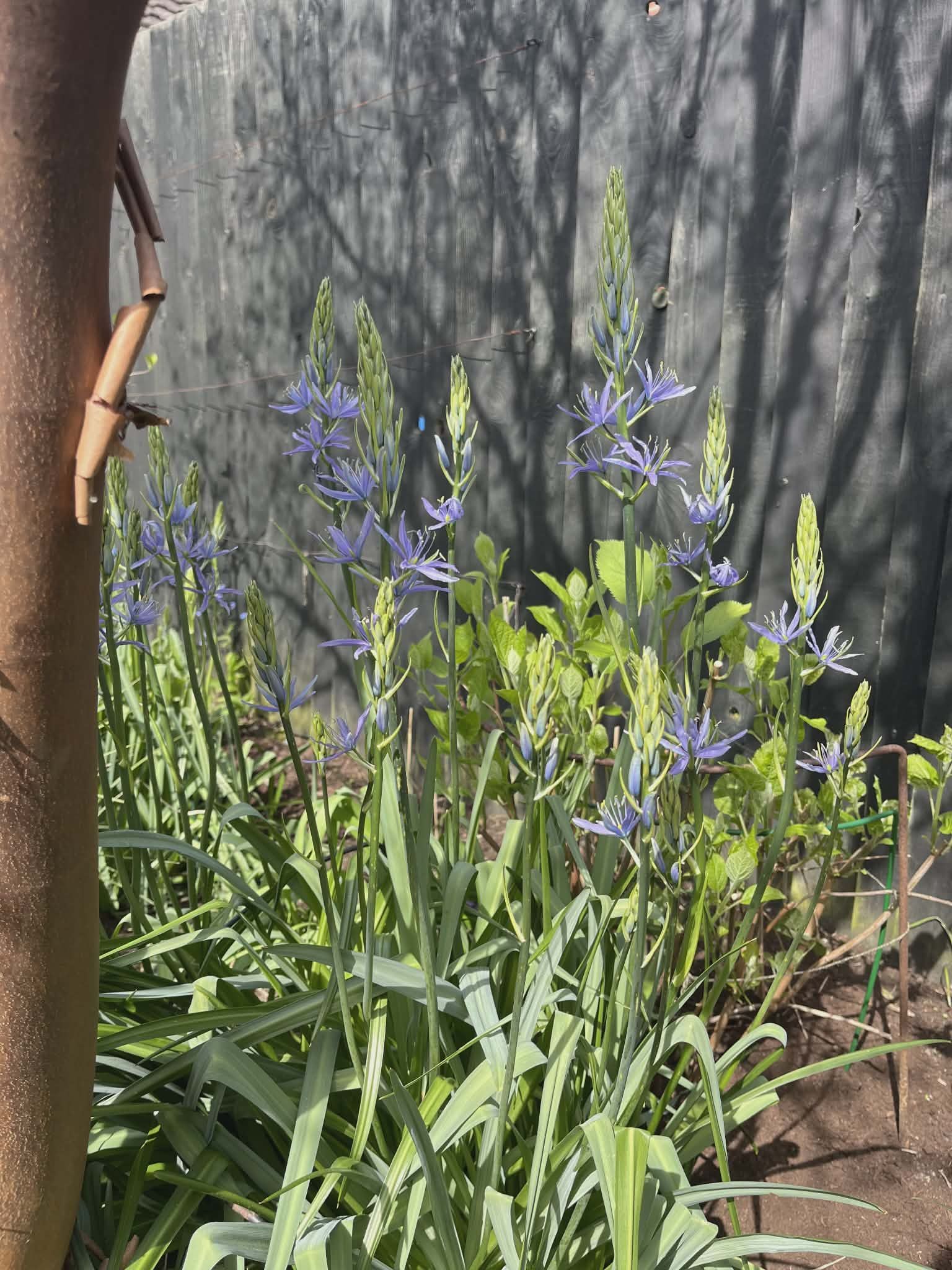
It features tall, upright spikes adorned with star-shaped flowers that rise above clumps of narrow, strap-like green foliage. Unlike many other bulbs, Camassia thrives in heavier, damper soils, making it a reliable choice for areas where tulips or daffodils might struggle.
Key Features:
- Flower Colour: Stunning shades of celestial blue, deep violet, or creamy white. The flowers bloom sequentially from the bottom of the spike upwards.
- Size: Typically grows to 60cm–90cm tall and 10cm–20cm wide, depending on the variety.
- Hardiness: Fully hardy; able to withstand cold winters across most regions.
- Sunlight: Thrives in full sun but can tolerate partial shade.
- Soil: Prefers moist, fertile, and humus-rich soil. It is uniquely tolerant of heavy clay and occasional winter dampness.
- Maintenance: Low maintenance; simply allow the foliage to die back naturally after flowering to nourish the bulb.
Uses:
- Naturalising: Perfect for planting in wildflower meadows or long grass where they can drift and multiply over time.
- Borders: Provides vertical interest and vibrant colour in the middle or back of mixed perennial borders.
Planting and Care:
- Planting: Ideally planted in autumn (September to November). Plant bulbs approximately 10cm–15cm deep and space them 15cm–20cm apart.
- Watering: Requires consistent moisture during the growing season and flowering period. Do not allow the soil to dry out completely in spring.
- Fertilising: Benefit from a balanced general-purpose fertiliser applied in early spring as the first shoots appear.
- Pruning: Cut the flower spikes down once they have faded if you wish to prevent self-seeding, but leave the leaves until they have turned yellow and withered.
Fun Fact:
- Camassia bulbs were a major food staple for many North American Indigenous peoples (such as the Nez Perce and Blackfoot tribes) and were famously crucial to the survival of the Lewis and Clark expedition, providing a sweet, roasted food source. Warning: While edible and nutritious (similar to a sweet potato when roasted), Camassia is frequently confused with the deadly toxic "Death Camas" (Toxicoscordion venenosum), which grows in the same areas.
A little preparation now can help your garden look its best in the months ahead and there are a few simple jobs you can get done while the sun is still shining!
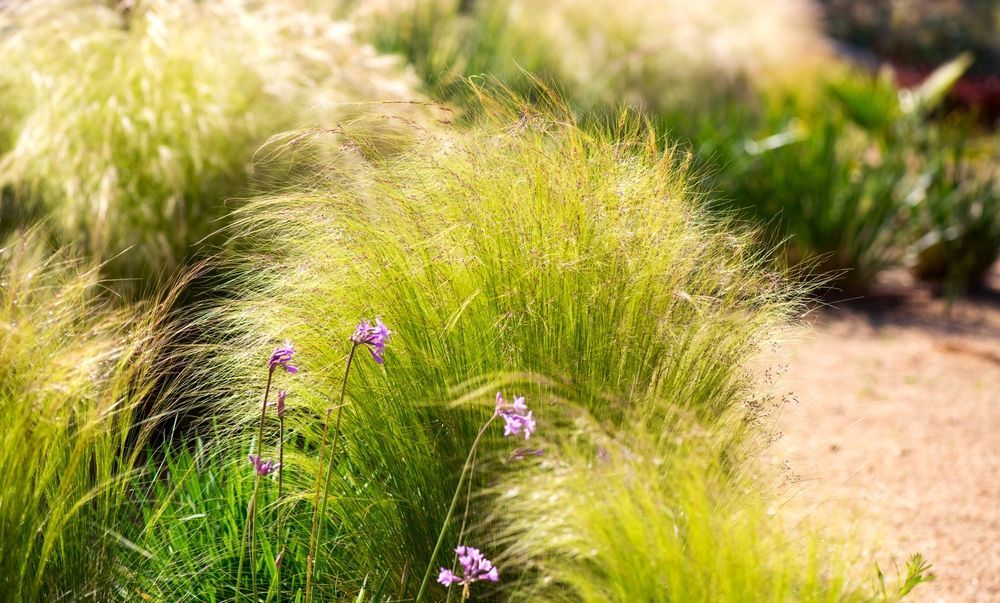
Revered for its delicate, tactile quality and graceful, fountain-like habit, this semi-evergreen ornamental grass adds unbeatable movement, texture, and light to the garden.
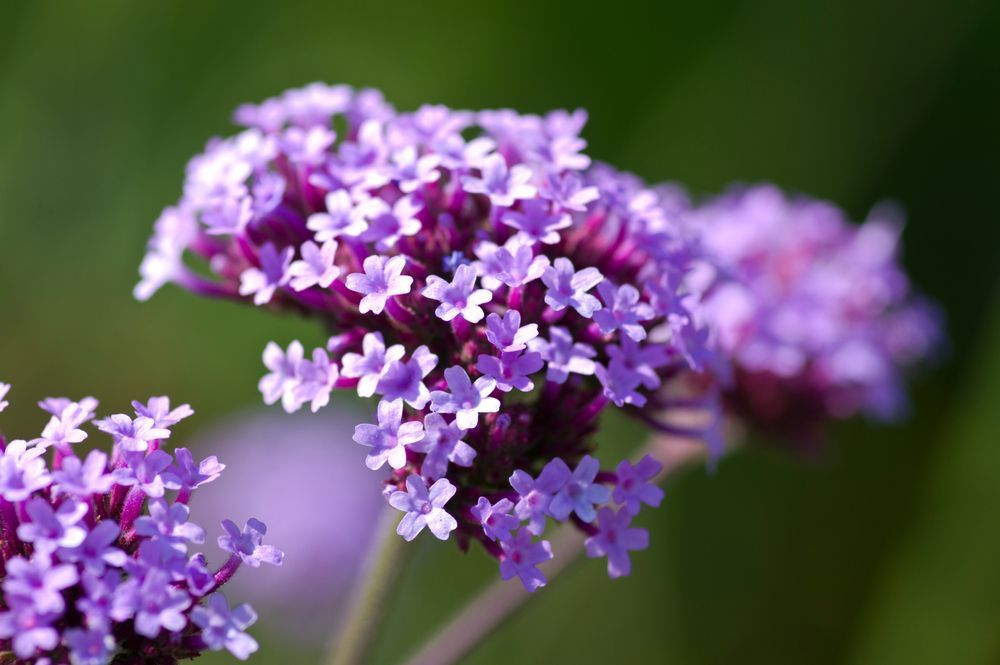
Beautiful and delicate, verbena bonariensis adds interest and colour to a garden without creating a solid block of foliage.
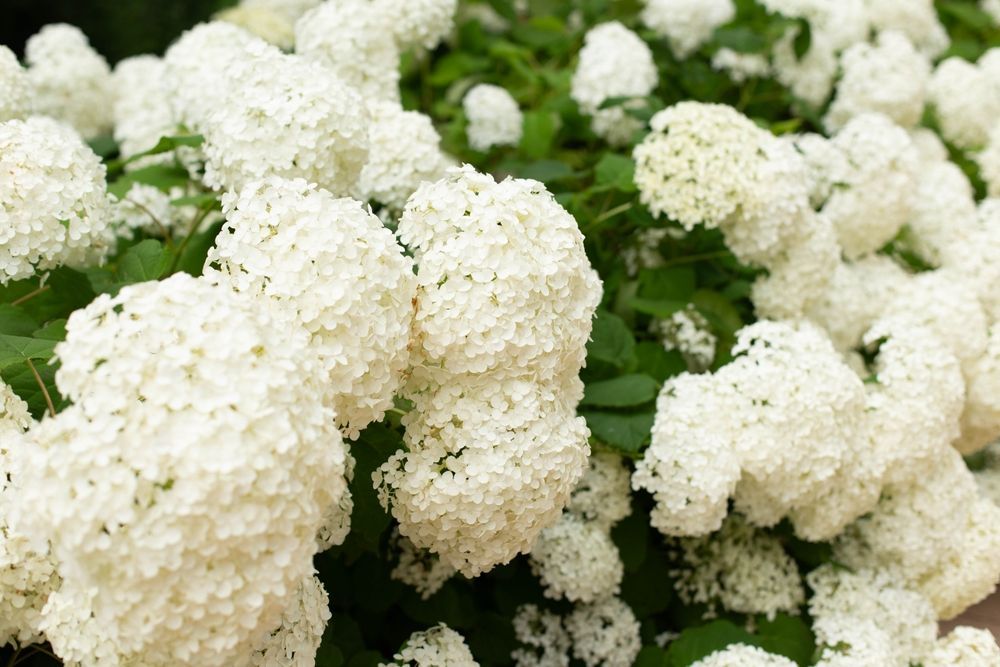
The undisputed royalty of the mid-to-late summer garden, Hydrangea Annabelle is in the spotlight this month.
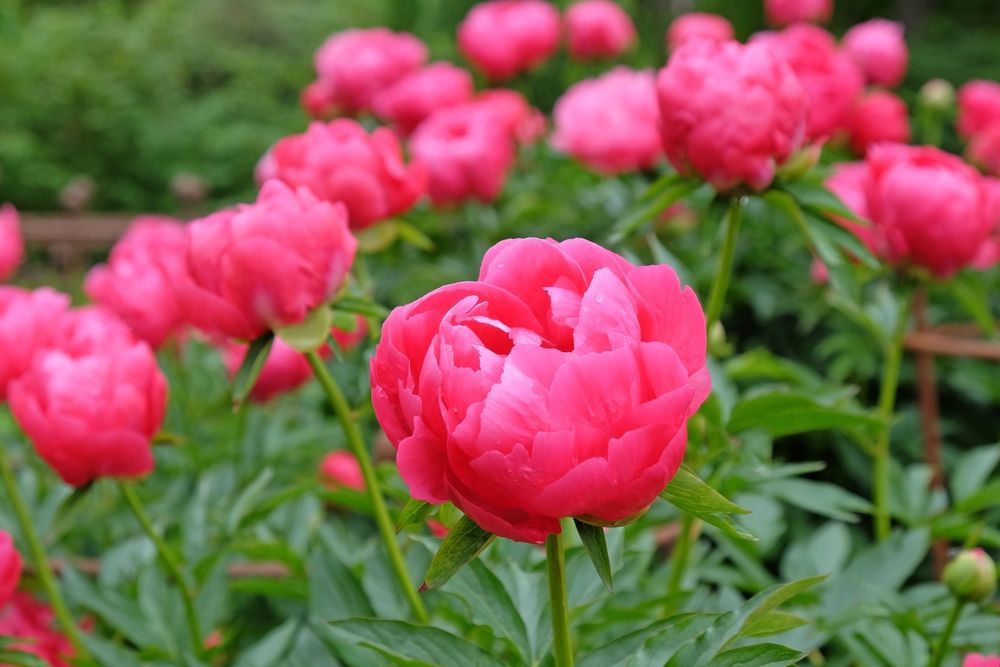
Originating primarily from Asia, Europe, and Western North America, the peony is the undisputed royalty of the late-spring garden.
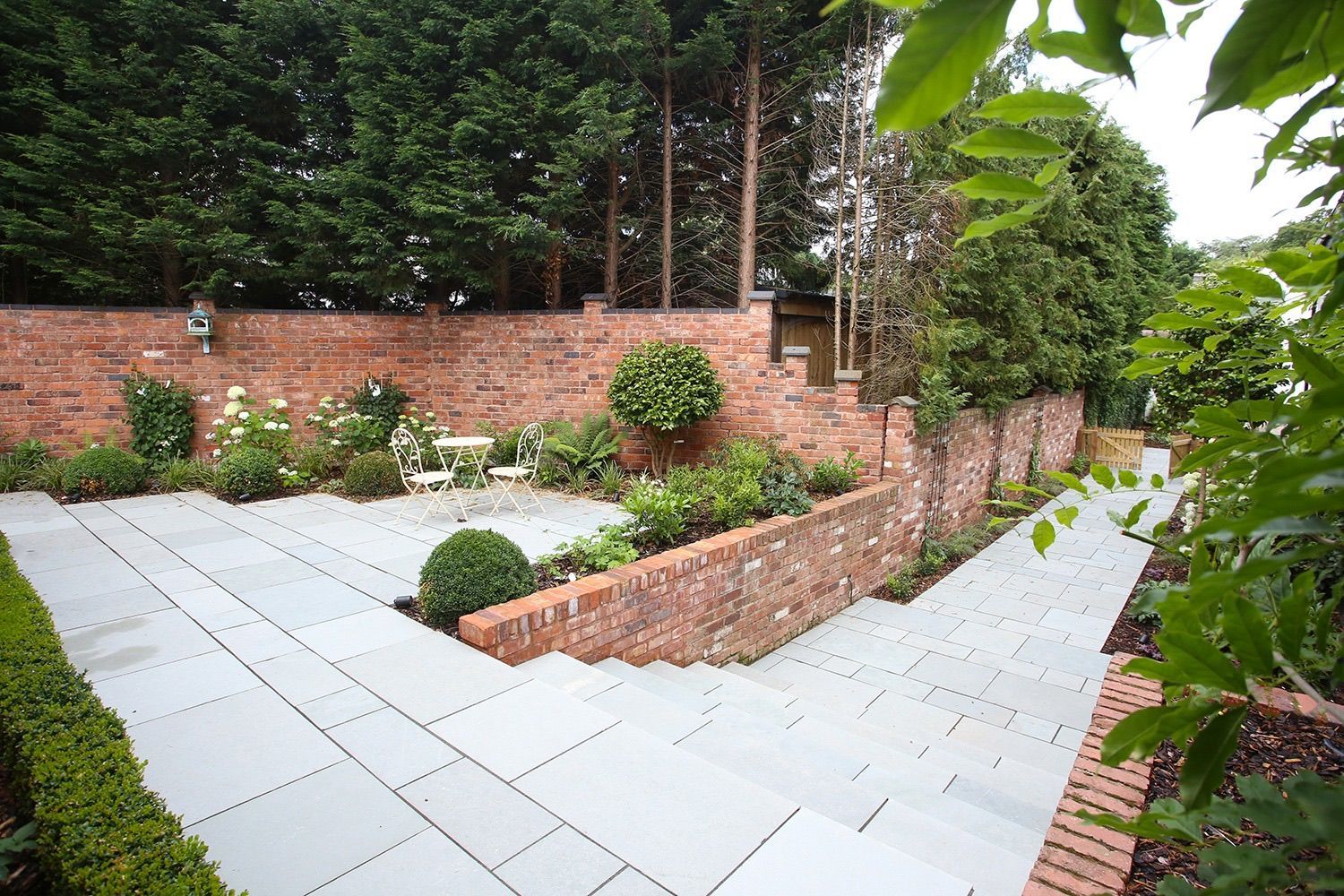
Whether you’re looking for a sleek urban terrace or a rustic country retreat, here is our guide to the paving materials defining modern landscapes this year.
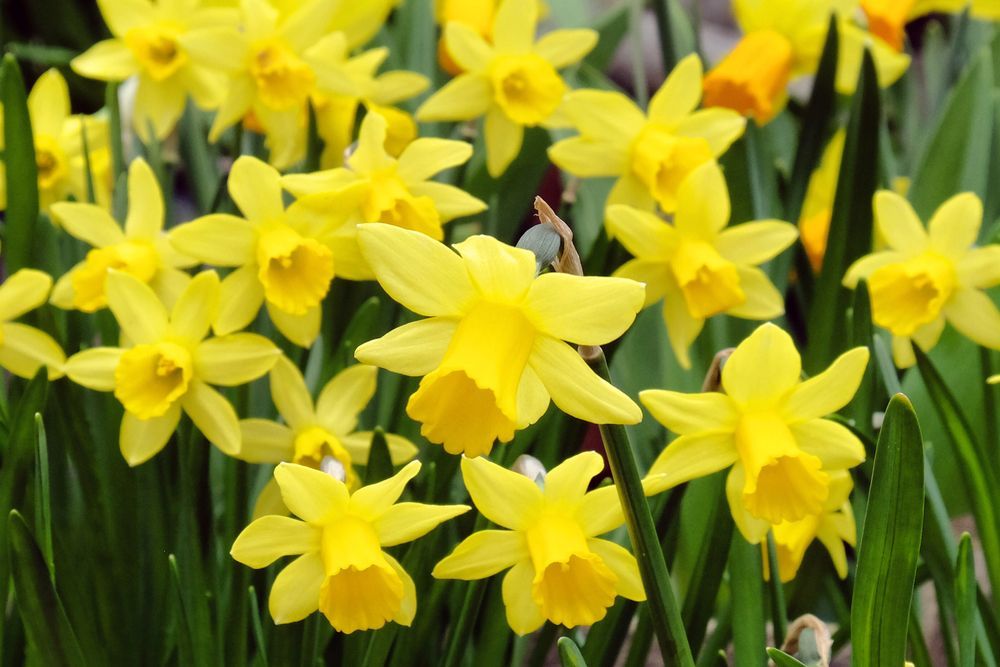
Originating from the Mediterranean but now a staple of gardens worldwide, the tête-à-tête is the undisputed champion of the miniature daffodil family.
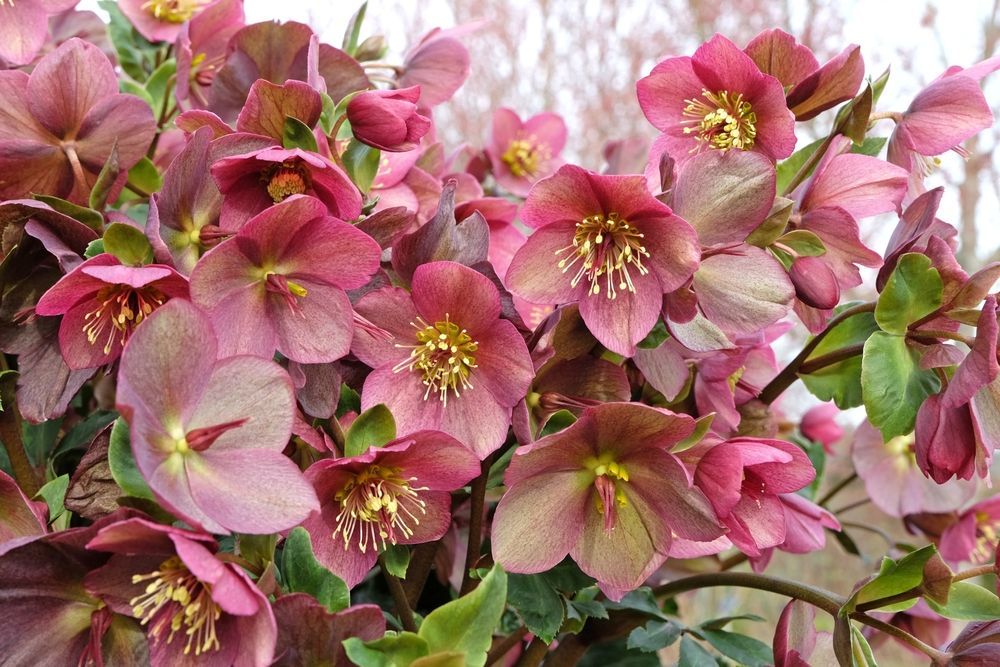
Our Plant of the Month for January is Hellebore - a winter favourite known for its hardiness.
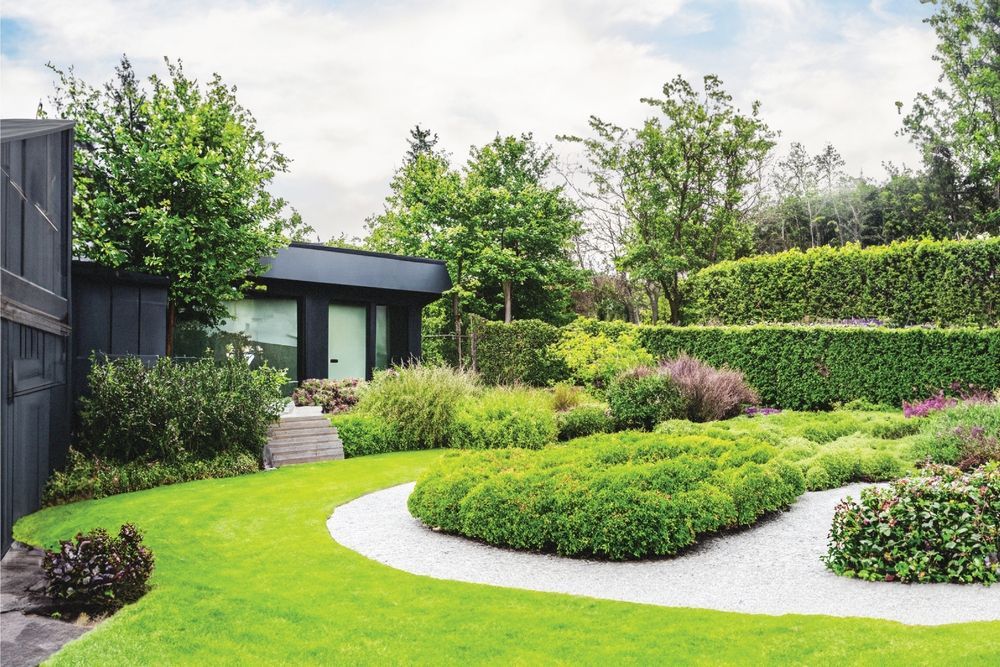
A few tips to help you plan your perfect, functional outdoor space.
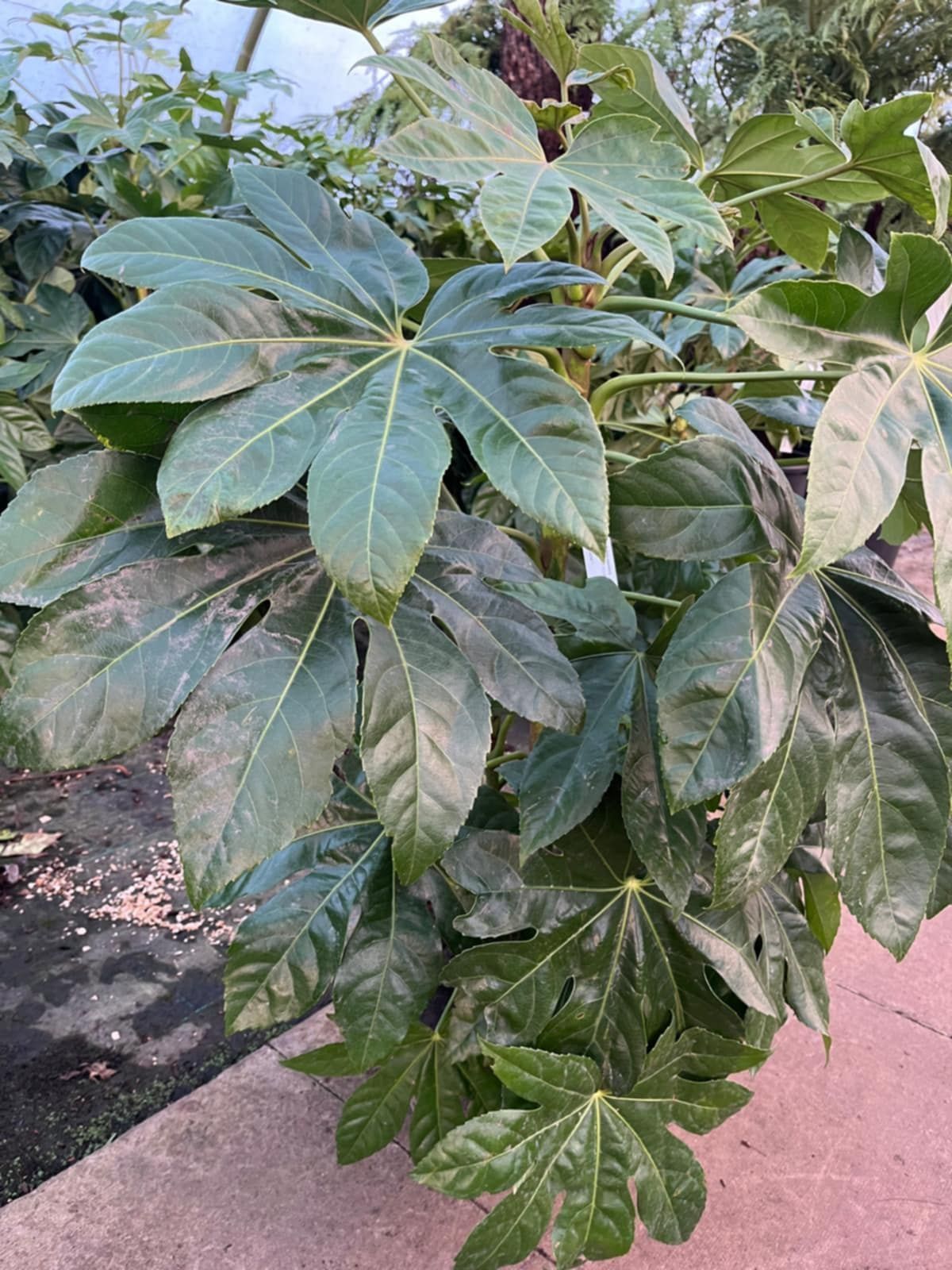
This month's spotlight shines on the Fatsia japonica - a gloriously large-leafed plant of Japanese descent.